

The Ultimate Fish Tank Setup Guide: How to Set Up the Perfect Fish Tank
- John Wright-Ibarra

- Jun 30
- 4 min read
Setting up a fish tank is like creating a tiny underwater world right in your living room. It’s a blend of art, science, and a sprinkle of patience. Whether you’re a newbie or looking to upgrade your aquatic paradise, this fish tank setup guide will walk you through every step. By the end, you’ll have a thriving, beautiful aquarium that’s the envy of every fish enthusiast.
Why a Fish Tank Setup Guide Matters
Before diving into the nitty-gritty, let’s talk about why a proper setup is crucial. A fish tank isn’t just a glass box filled with water and fish. It’s a delicate ecosystem that needs balance. Without the right setup, your fish might feel like they’re living in a chaotic underwater traffic jam. Proper setup ensures:
Healthy fish with vibrant colors
Clear water that doesn’t look like a swamp
A low-maintenance tank that doesn’t eat up your weekends
A visually stunning centerpiece for your home or office
Think of it as setting the stage for a Broadway show. The better the stage, the better the performance.
Choosing the Right Tank and Location
The first step in your fish tank setup guide is picking the right tank and where to put it. Size matters here. A bigger tank is more stable and easier to maintain, but it also takes up more space and costs more. For beginners, a 20-30 gallon tank is a sweet spot.
Location, Location, Location
Avoid direct sunlight: Sunlight can cause algae explosions, turning your tank into a green mess.
Stable surface: Make sure the stand or table can hold the weight. Water is heavy—about 8.34 pounds per gallon.
Near power outlets: You’ll need electricity for filters, heaters, and lights.
Away from drafts and heat sources: Sudden temperature changes stress fish.
Pro tip: If you’re in Houston, and want expert help, consider a fish tank setup houston service to get it right the first time.

Essential Equipment for Your Fish Tank Setup Guide
Now that you have your tank and location, it’s time to gather the gear. Here’s your must-have list:
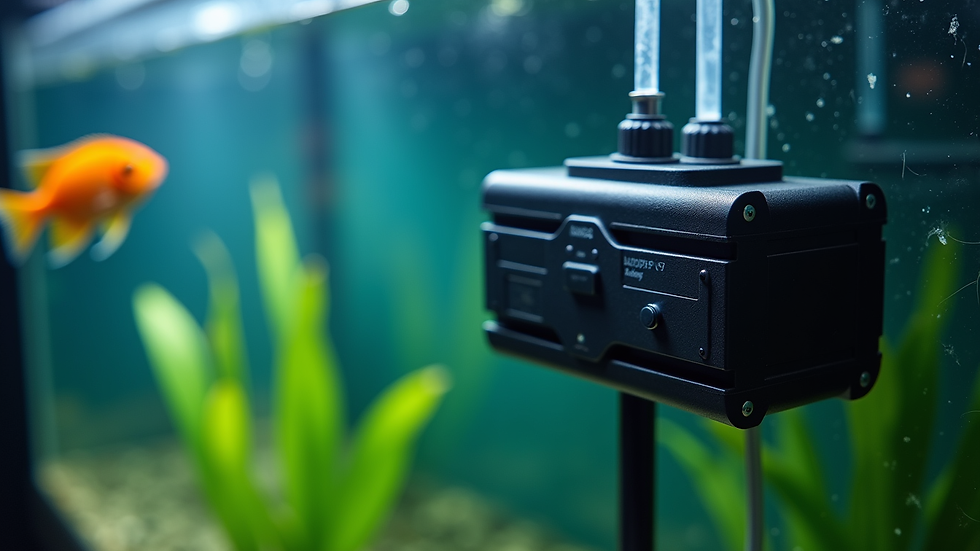
Filter - Keeps the water clean by removing debris and toxins.
Heater - Maintains a stable temperature, especially for tropical fish.
Lighting - Supports plant growth and shows off your fish’s colors.
Substrate - Gravel or sand for the bottom; it’s like the carpet of your underwater room.
Water conditioner - Removes chlorine and harmful chemicals from tap water.
Test kits - Monitor pH, ammonia, nitrite, and nitrate levels.
Decorations and plants - Provide hiding spots and make the tank look inviting.
Remember, quality matters. Cheap filters or heaters can fail and cause headaches (and fish casualties).
Setting Up Your Aquarium Step-by-Step
Ready to get your hands wet? Here’s the step-by-step process to set up your perfect fish tank:
Step 1: Clean the Tank and Equipment
Rinse the tank and all equipment with warm water. No soap! Soap residues can be deadly to fish.
Step 2: Add Substrate
Spread your gravel or sand evenly. Rinse substrate before adding to avoid cloudiness.
Step 3: Install Equipment
Place the filter and heater but don’t plug them in yet. Position the heater near water flow for even heat distribution.
Step 4: Add Water
Fill the tank slowly to avoid disturbing the substrate. Use a plate or bowl to pour water onto.
Step 5: Treat the Water
Add water conditioner to neutralize chlorine and chloramine.
Step 6: Set Up Decorations and Plants
Arrange decorations and plants to create hiding spots and open swimming areas.
Step 7: Start the Filter and Heater
Plug in and turn on the filter and heater. Set the heater to the appropriate temperature for your fish species.
Step 8: Cycle the Tank
This is the most important step. Cycling establishes beneficial bacteria that break down fish waste. It usually takes 4-6 weeks. You can speed this up with commercial bacteria starters or by adding a small amount of fish food daily.
Choosing the Right Fish and Plants
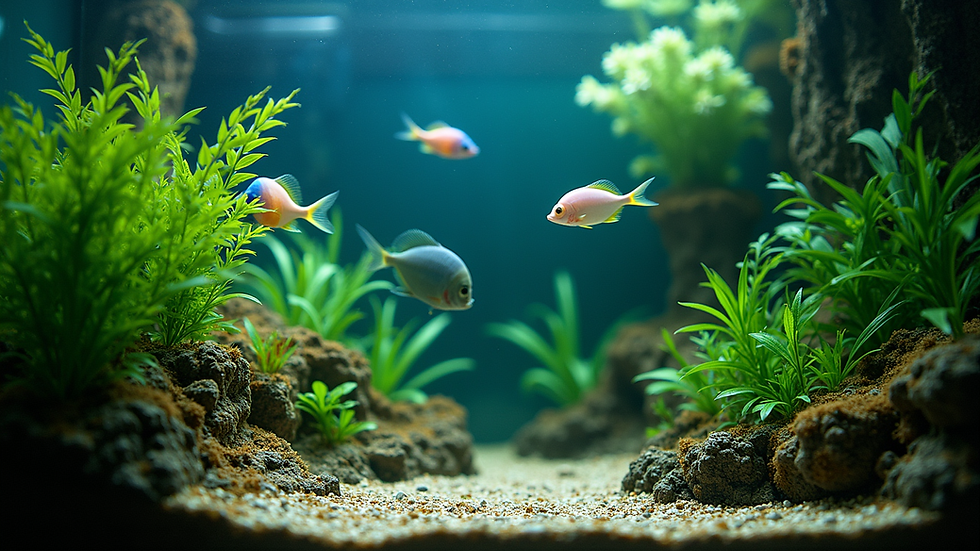
Once your tank is cycled, it’s time to pick your aquatic roommates. Here’s what to consider:
Compatibility: Some fish are peaceful, others aggressive. Mix wisely.
Tank size: Bigger fish need more space.
Water parameters: Match fish to your tank’s pH and temperature.
Plants: Live plants improve water quality and provide shelter.
Popular beginner fish include guppies, tetras, and bettas. For plants, Java fern and Anubias are hardy and low-maintenance.
Maintaining Your Fish Tank Like a Pro
A perfect setup isn’t a “set it and forget it” deal. Regular maintenance keeps your tank sparkling and your fish happy.
Weekly: Test water parameters, change 10-20% of water, clean algae off glass.
Monthly: Rinse filter media in tank water, prune plants, vacuum substrate.
As needed: Replace filter cartridges, check equipment functionality.
Keep a maintenance log to track water tests and cleaning schedules. It’s like a diary for your fish’s health.
When to Call in the Experts
Sometimes, even the best DIY efforts need a helping hand. If you’re overwhelmed or want to ensure your tank is in tip-top shape, professional services can be a lifesaver. For those in Houston, fish tank setup houston professionals offer mobile maintenance and cleaning, saving you time and stress.
Dive Into Your Fish Tank Adventure!
Setting up the perfect fish tank is a rewarding journey. It’s a blend of creativity, science, and a little bit of magic. With the right setup, your aquatic friends will thrive, and you’ll enjoy a stunning underwater world right at home. So grab your gear, roll up your sleeves, and dive in - your fishy paradise awaits!
Comments