

Setting Up Your Fish Tank in Houston: Fish Tank Setup Tips for a Splashing Success

So, you’ve decided to dive into the wonderful world of aquariums. Whether you’re a newbie or a seasoned fish enthusiast, setting up a fish tank in Houston comes with its own set of challenges and joys. From the blazing Texas sun to the unique water conditions, your underwater paradise needs a little extra TLC to thrive. Let’s swim through some fish tank setup tips that will help you create a vibrant, healthy aquatic environment right in your home.
Why Houston’s Climate Matters for Your Aquarium
Houston’s hot and humid climate isn’t just a backdrop—it’s a key player in your fish tank’s health. High temperatures can cause water to heat up quickly, stressing your fish and encouraging algae growth. Plus, Houston’s tap water has its quirks, often containing chlorine and varying pH levels that can be tricky for sensitive species.
Here’s what you can do:
Choose the right tank location: Avoid placing your aquarium near windows or heating vents. A spot with stable room temperature and indirect light is ideal.
Invest in a reliable aquarium heater and chiller: Yes, chillers! In Houston summers, your tank might need cooling to keep fish comfy.
Test your water regularly: Use a water testing kit to monitor pH, ammonia, nitrites, and nitrates. Adjust as needed with water conditioners or by mixing in reverse osmosis water.
Remember, your fish are like little divas—they want their environment just right. Keeping water conditions stable is the secret sauce to happy, healthy fish.

Fish Tank Setup Tips: Getting the Basics Right
Starting with the basics might sound boring, but trust me, it’s the foundation of a thriving aquarium. Here’s a quick checklist to get you swimming in the right direction:
Tank Size Matters
Bigger tanks are more stable and forgiving. A 20-gallon tank is a great starting point for beginners. It gives your fish plenty of room and makes water parameters easier to manage.
Filtration is Your Best Friend
A good filter keeps the water clean and oxygenated. Choose one that suits your tank size and fish load. Canister filters, hang-on-back filters, or sponge filters all have their perks.
Lighting for Life
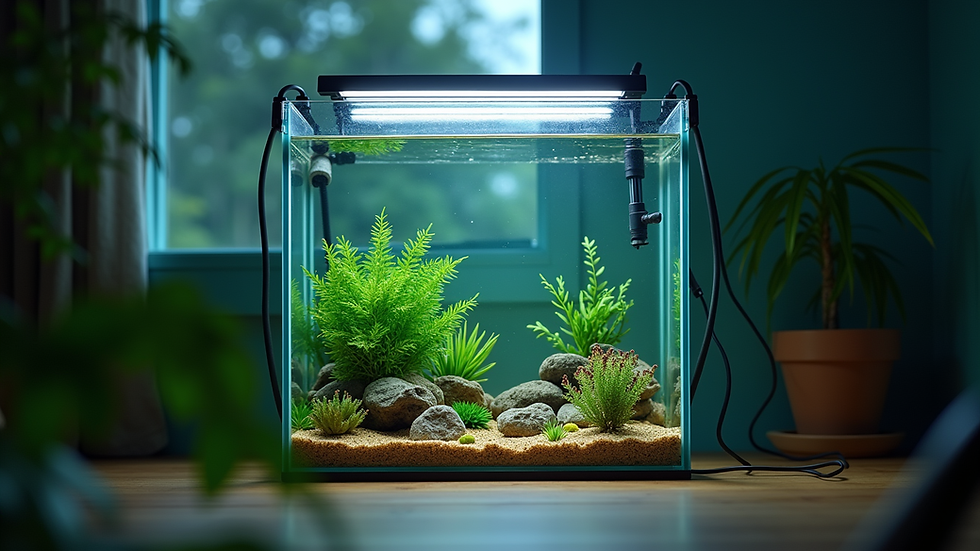
Lighting affects fish behavior and plant growth. LED lights are energy-efficient and customizable. Avoid direct sunlight to prevent overheating and algae blooms.
Substrate and Decorations
Gravel, sand, or specialized substrates can impact water chemistry. Pick one that matches your fish’s needs. Add hiding spots with rocks, driftwood, or plants to reduce stress.
Cycling Your Tank
Before adding fish, cycle your tank to build beneficial bacteria that break down waste. This process can take 4-6 weeks but is crucial to avoid fish casualties.
By nailing these basics, you’re setting the stage for a flourishing aquatic community.
Choosing the Right Fish for Houston’s Environment
Not all fish are created equal, especially when it comes to Houston’s climate and water conditions. Here are some crowd-pleasers that tend to do well:
Guppies: Hardy, colorful, and easy to care for.
Platies: Peaceful and adaptable to various water conditions.
Corydoras Catfish: Bottom dwellers that help keep the tank clean.
Angelfish: Elegant but need a bit more care and space.
Betta Fish: Great for smaller tanks but keep males separate to avoid fights.
Avoid tropical fish that require very specific water parameters unless you’re ready to invest in specialized equipment. Also, check local regulations and avoid species that might be invasive if released.
Maintaining Your Aquarium: The Secret to Long-Term Success
Setting up your tank is just the beginning. Maintenance is where many aquarists drop the ball, but it doesn’t have to be a chore. Here’s how to keep your tank sparkling and your fish happy:
Weekly Water Changes: Swap out 10-20% of the water weekly to keep toxins low.
Clean the Filter: Rinse filter media in tank water (never tap water) to preserve beneficial bacteria.
Monitor Fish Health: Watch for signs of stress or disease like faded colors, clamped fins, or unusual behavior.
Control Algae: Scrape algae off glass and decorations regularly. Consider algae-eating fish or snails.
Feed Wisely: Overfeeding is a common mistake. Feed small amounts once or twice a day and remove uneaten food.
If you’re in Houston and want to skip the hassle, professional services like fish tank setup houston can help with maintenance and cleaning, ensuring your tank stays in tip-top shape without you lifting a finger.

Adding Plants and Aquascaping for a Natural Touch
Plants aren’t just pretty—they’re the lungs and kidneys of your aquarium. They absorb nitrates, provide oxygen, and create hiding spots for shy fish. Here’s how to get started:
Choose Hardy Plants: Java fern, Anubias, and Amazon sword are great for beginners.
Use Quality Substrate: Nutrient-rich substrates help plants thrive.
Lighting Matters: Some plants need more light than others. Match your lighting to your plant choices.
CO2 and Fertilizers: For advanced setups, adding CO2 and liquid fertilizers can boost plant growth.
Aquascaping is like underwater gardening. Play with different heights, textures, and colors to create a stunning visual effect. Plus, your fish will thank you for the extra cover and stimulation.
Wrapping It Up: Your Underwater Adventure Awaits
Setting up a fish tank in Houston is a rewarding journey filled with learning curves and splashy successes. By understanding the local climate, choosing the right equipment and fish, and committing to regular maintenance, you’ll create a thriving aquatic world that’s both beautiful and healthy.
Remember, every tank is a little ecosystem, and like any ecosystem, it needs balance, care, and a bit of love. So, grab your gear, pick your fish, and get ready to make waves with your new underwater friends!
If you want to make your life easier, consider reaching out to experts who specialize in fish tank setup houston. They’ll help you keep your aquarium sparkling and your fish happy, so you can enjoy the magic without the stress.
Happy fish keeping!


Comments