

Advanced Aquarium Care Tips: Mastering the Art of a Thriving Underwater World
- John Wright-Ibarra

- 1 day ago
- 4 min read
So, you’ve got your aquarium set up, the fish are swimming happily, and the plants are looking lush. But if you’re ready to take your aquatic hobby to the next level, it’s time to dive into some advanced aquarium care tips. Think of it as moving from a casual stroll on the beach to a deep-sea exploration. It’s about understanding the nuances that keep your underwater ecosystem balanced, vibrant, and downright dazzling.
Let’s swim through some expert advice that will help you maintain a healthy, beautiful aquarium that’s the envy of every fish lover around.
Understanding Water Chemistry: The Heartbeat of Advanced Aquarium Care
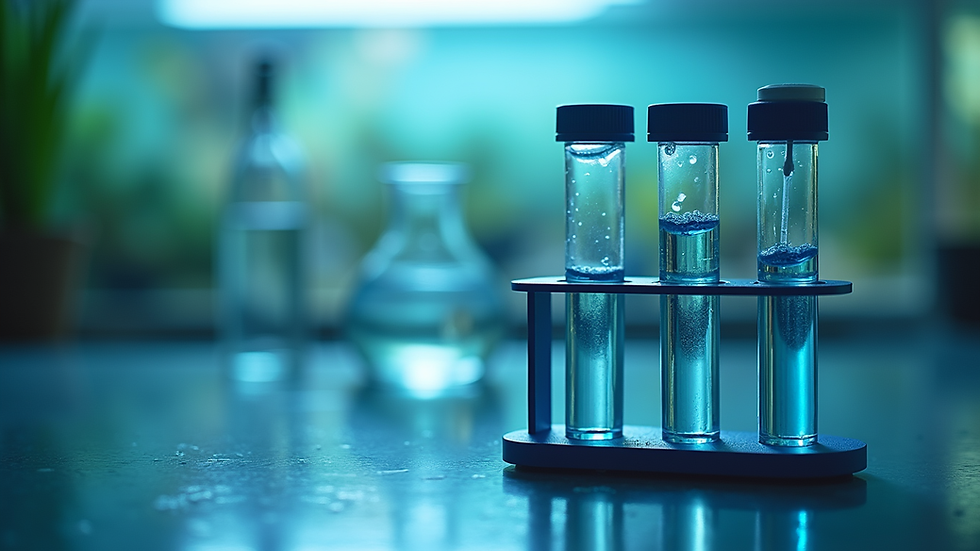
Water is the lifeblood of your aquarium, and mastering its chemistry is like being a wizard with a potion. The right balance of pH, hardness, ammonia, nitrites, and nitrates can make or break your aquatic paradise.
pH Levels: Most freshwater fish thrive in a pH range of 6.5 to 7.5, but some species prefer more acidic or alkaline water. Regularly test your water and adjust with natural additives like driftwood (to lower pH) or crushed coral (to raise it).
Ammonia, Nitrites, and Nitrates: These are the toxic byproducts of fish waste and decomposing food. Ammonia and nitrites should always be at zero, while nitrates should be kept below 20 ppm. Use a reliable test kit weekly to monitor these levels.
Water Hardness: This affects fish health and plant growth. General hardness (GH) and carbonate hardness (KH) influence how stable your pH is. Adjust hardness with mineral supplements if needed.
Regular water changes (about 20-30% weekly) are your best friend here. They dilute toxins and replenish essential minerals. Remember, your fish aren’t just swimming in water; they’re living in a complex chemical soup that needs constant attention.
Advanced Aquarium Care: Filtration and Circulation Mastery
If water chemistry is the potion, filtration and circulation are the magic spells that keep it potent. A good filtration system doesn’t just clean the water; it creates a thriving environment for beneficial bacteria that break down waste.
Mechanical Filtration: Removes physical debris like uneaten food and fish waste. Clean or replace filter media regularly to avoid clogging.
Biological Filtration: This is where the magic happens. Beneficial bacteria colonize filter media and convert harmful ammonia into less toxic nitrates. Avoid over-cleaning to preserve these bacteria.
Chemical Filtration: Activated carbon or other media remove odors, discoloration, and toxins. Use sparingly and replace as recommended.
Circulation is equally important. It ensures oxygen-rich water reaches every corner of the tank and prevents dead zones where waste can accumulate. Powerheads or circulation pumps can help, especially in larger tanks.
Pro tip: Position your filter outlet to create gentle surface agitation. This boosts oxygen exchange without stressing your fish.

Lighting and Plant Care: Creating a Lush Aquatic Garden
Lighting isn’t just about showing off your fish; it’s the engine that drives photosynthesis in aquatic plants. Getting your lighting right can transform your tank from a dull bowl to a vibrant underwater garden.
Choose the Right Spectrum: Plants need light in the blue and red spectrum for photosynthesis. LED lights designed for planted tanks are energy-efficient and customizable.
Duration: Aim for 8-10 hours of light daily. Too much light can cause algae explosions, while too little stunts plant growth.
Intensity: Different plants have different light needs. High-light plants like carpeting species require stronger lighting, while low-light plants like Anubias thrive in dimmer conditions.
Don’t forget about CO2! Injecting CO2 can supercharge plant growth, but it requires careful monitoring to avoid harming fish. If you’re not ready for CO2 injection, liquid carbon supplements can be a safer alternative.
Regular pruning and removing dead leaves keep your plants healthy and prevent decay from polluting the water.
Feeding Like a Pro: Nutrition and Schedule for Happy Fish
Feeding your fish isn’t just about tossing flakes into the water. It’s a delicate balance that affects their health, water quality, and behavior.
Quality Over Quantity: Choose high-quality foods tailored to your fish species. Mix flakes, pellets, frozen, and live foods for a balanced diet.
Feed Small Amounts: Overfeeding is the number one cause of poor water quality. Feed only what your fish can consume in 2-3 minutes, once or twice a day.
Variety is Key: Different fish have different dietary needs. Some are herbivores, others carnivores, and many are omnivores. Research your species and adjust accordingly.
Supplement with Treats: Occasional treats like bloodworms or brine shrimp can boost fish health and color but don’t overdo it.
Keep an eye on your fish’s behavior and appearance. Healthy fish are active, have vibrant colors, and show interest in food. If you notice lethargy or loss of appetite, it might be time to reassess your feeding routine.
Troubleshooting Common Advanced Aquarium Issues
Even the most seasoned aquarists hit bumps in the road. Here’s how to tackle some common challenges like a pro:
Algae Overgrowth: Usually caused by excess light or nutrients. Reduce lighting duration, avoid overfeeding, and consider adding algae-eating fish or snails.
Cloudy Water: Can be bacterial bloom or suspended particles. Check filtration, avoid overfeeding, and perform partial water changes.
Fish Stress and Disease: Stress can come from poor water quality, incompatible tank mates, or sudden changes. Quarantine new fish, maintain stable conditions, and treat diseases promptly.
Plant Meltdown: Yellowing or melting leaves often mean nutrient deficiencies or poor lighting. Test water parameters and adjust fertilization.
Remember, patience is your best tool. Aquariums are living systems that take time to stabilize and flourish.
Keeping It Local: Why Houston Aquarium Owners Should Consider Professional Help
Houston’s unique climate and water conditions can add an extra layer of complexity to aquarium care. If you ever feel overwhelmed, don’t hesitate to reach out for help. For those seeking reliable, comprehensive support, expert aquarium care houston offers mobile maintenance and cleaning services tailored to your needs. They bring the expertise right to your doorstep, ensuring your aquatic world stays healthy and stunning without the hassle.
Your Aquarium’s Next Chapter: Embrace the Adventure
Advanced aquarium care is a journey, not a destination. With every water test, filter tweak, and plant trim, you’re learning the language of your underwater friends. It’s a rewarding hobby that combines science, art, and a little bit of magic.
So, grab your net, roll up your sleeves, and dive into these tips. Your fish will thank you with vibrant colors and lively antics, and your tank will become a mesmerizing slice of aquatic paradise.
Happy fishkeeping!
Comments